What Is Melanotan II and Why Is Everyone Talking About It?
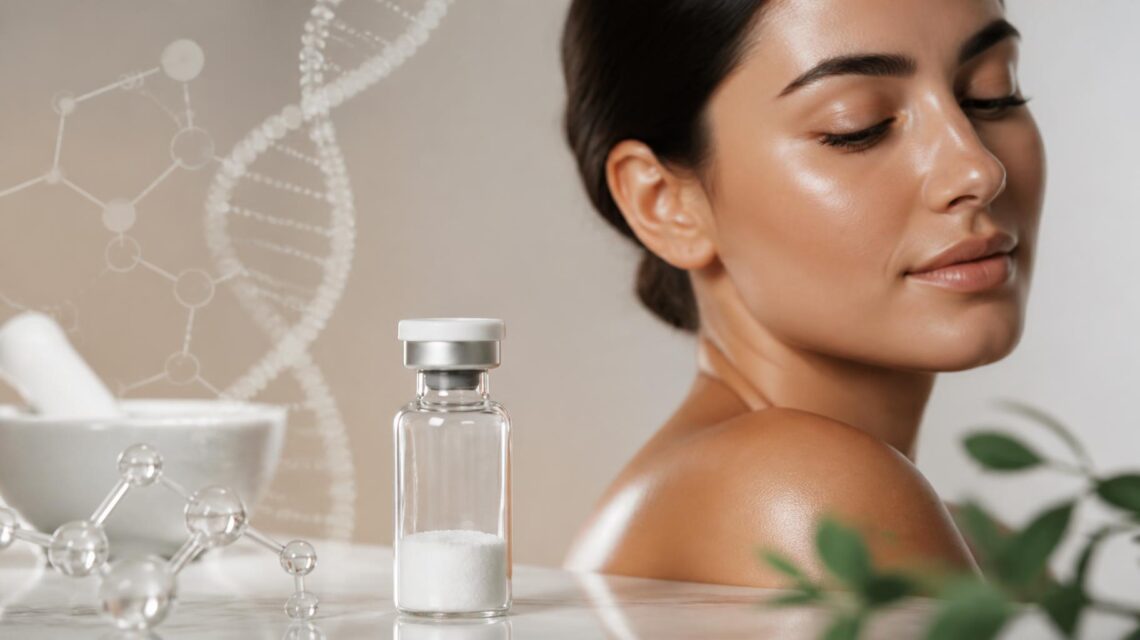
Melanotan II is a synthetic peptide that has gained attention for its tanning effects, possible influence on libido, and growing popularity in online wellness and bodybuilding spaces. As interest in peptides continues to rise, Melanotan II has become one of the most searched compounds among people looking for a faster tan without spending hours in the sun.
But the hype around Melanotan II often leaves out a critical part of the story: this is not a simple cosmetic shortcut. It is a lab-made compound with real biological effects, safety concerns, and a legal status that can be confusing to consumers.
If you have seen Melanotan II promoted as a miracle tanning peptide, this guide explains what it is, how it works, the potential benefits, known side effects, and the truth behind the current peptide craze.
What Is Melanotan II?
Melanotan II is a synthetic analogue of alpha-melanocyte-stimulating hormone, often shortened to alpha-MSH. This natural hormone plays a role in pigmentation by stimulating melanocytes, the cells responsible for producing melanin in the skin.
Melanin is the pigment that gives skin, hair, and eyes their color. When melanocytes are stimulated, the body may produce more melanin, which can result in darker skin pigmentation. This is the primary reason many people seek out Melanotan II.
Melanotan II was originally studied for possible medical uses related to skin protection and sexual dysfunction. Over time, however, it became better known in the public eye as a tanning peptide.
How Melanotan II Is Different From Natural Tanning
Traditional tanning usually happens through exposure to ultraviolet radiation, either from the sun or tanning beds. Melanotan II works differently. Rather than directly tanning the skin through UV exposure, it interacts with melanocortin receptors in the body, encouraging increased melanin production.
That said, some users still combine Melanotan II with UV exposure to deepen skin color more quickly, which may increase risk rather than reduce it.
How Melanotan II Works in the Body
Melanotan II binds to melanocortin receptors, a family of receptors involved in several physiological processes. These receptors influence more than just pigmentation, which helps explain why Melanotan II may affect appetite, sexual arousal, and other body functions in addition to skin tone.
Its action is not limited to one pathway, and that is part of what makes the peptide both interesting and potentially risky.
- Pigmentation: Stimulates melanin production, leading to darker skin.
- Libido effects: Some users report enhanced sexual arousal and erectile effects.
- Appetite changes: Nausea and appetite suppression have been observed in some cases.
- Systemic activity: Because it has effects beyond the skin, side effects may occur in multiple areas of the body.
Why Melanotan II Became So Popular
The appeal of Melanotan II is easy to understand. Many people want a bronzed appearance but also know that too much UV exposure can contribute to premature aging and skin damage. A peptide that appears to offer tanning with less sun sounds attractive on the surface.
Social media, online peptide communities, and influencer marketing have also played a major role in its rise. It is often framed as a modern performance or aesthetics tool, grouped together with other trendy compounds used for body composition, recovery, or anti-aging.
However, popularity should not be confused with safety or medical approval. In many cases, demand has outpaced quality control, regulation, and public understanding.
Potential Benefits of Melanotan II
Supporters of Melanotan II usually focus on a few commonly discussed benefits. While some of these are based on the peptide’s mechanism of action or early investigation, they should be viewed cautiously.
1. Increased Skin Pigmentation
The main reason people use Melanotan II is to develop a darker complexion. Users often report tanning more quickly and maintaining color longer than they would through sun exposure alone.
For some individuals, this may create the appearance of a more even tan. Others use it in hopes of reducing the amount of ultraviolet exposure needed to tan.
2. Possible Reduction in UV Dependence
One of the most repeated claims is that Melanotan II may help users achieve pigmentation with less sun exposure. In theory, more melanin could provide some natural protection against UV radiation. But this should not be misinterpreted as a replacement for sunscreen or proper sun safety.
A tan is not immunity from sun damage. People who use Melanotan II and then spend more time in the sun may still be exposing themselves to serious long-term skin risks.
3. Libido and Sexual Function Effects
Melanotan II has also drawn attention for its impact on sexual arousal. Some users report increased libido and spontaneous erections. This effect is one reason related compounds have been studied for sexual dysfunction.
Still, these effects can be unpredictable and may not be desirable for every user. A peptide that alters sexual function should never be treated casually.
The Risks and Side Effects of Melanotan II
This is where the conversation around Melanotan II needs more honesty. Although it may deliver visible results, it is not risk-free, and side effects are common.
Commonly Reported Side Effects
- Nausea
- Facial flushing
- Loss of appetite
- Fatigue
- Dizziness
- Increased libido or spontaneous erections
Some users experience these effects shortly after use. Nausea in particular is frequently discussed and is one of the most recognized side effects associated with the compound.
Skin and Mole Changes
One of the most concerning issues linked to Melanotan II is the possibility of darkening existing moles or causing new pigmentation changes. This can make skin monitoring more complicated and may create anxiety around identifying suspicious lesions.
Any sudden change in freckles, moles, or skin coloration should be evaluated by a qualified medical professional. Cosmetic goals should never come before skin cancer awareness.
Unknown Long-Term Safety
A major issue with Melanotan II is that long-term human safety data is limited. Many people using it are relying on anecdotal reports, online forums, or vendor claims rather than robust medical evidence.
That means important questions remain unanswered, including:
- How repeated use affects the skin over many years
- Whether it may influence melanoma risk in susceptible individuals
- How impurities in unregulated products affect user safety
- What cumulative effects may occur with long-term receptor stimulation
Is Melanotan II FDA Approved?
Melanotan II is not FDA approved for cosmetic tanning. This is one of the most important facts consumers need to understand. In many markets, it is sold as a research chemical and not as an approved medication for public cosmetic use.
This creates serious quality and sourcing issues. Products sold online may vary in purity, dosage accuracy, and sterility. Because many are not produced under strict pharmaceutical standards, contamination and mislabeling are legitimate concerns.
In short, buyers may not actually know what they are getting.
The Problem With the Peptide Craze
The broader peptide boom has fueled interest in compounds like Melanotan II. Peptides are often marketed as advanced, science-driven tools for aesthetics and wellness. While some do have legitimate medical or research value, the market is also full of exaggerated claims.
Melanotan II sits at the center of this trend. It appeals to people looking for rapid visible results, but the online conversation often minimizes the realities of unapproved use, side effects, and product inconsistency.
Several factors have contributed to the craze:
- Influencer promotion that makes the peptide sound harmless or glamorous
- Before-and-after photos that emphasize appearance over safety
- Easy online access through research chemical vendors
- Growing fascination with biohacking and performance enhancement
The result is a market where trends can move faster than science.