More women are exploring new ways to feel stronger, think more clearly, sleep better, and regain a sense of balance as they move through different life stages. Among the most discussed options today are hormone therapy and peptide therapy. Once considered niche or highly specialized, these treatments are now entering mainstream wellness and longevity conversations, especially among women looking for personalized support for energy, metabolism, mood, recovery, and healthy aging.
The growing interest is not simply about appearance or trend-driven wellness. For many women, it is about addressing symptoms that have long been dismissed or minimized, including fatigue, brain fog, low libido, stubborn weight changes, poor sleep, and the physical effects of perimenopause and menopause. As awareness expands, so does the conversation around how modern therapies may help women reclaim control over their health.
Why More Women Are Seeking Personalized Health Solutions
For years, many women were told that feeling exhausted, emotionally off-balance, or unlike themselves was just part of getting older. While aging does bring natural hormonal changes, that does not mean every symptom should be ignored. Today, women are becoming more proactive and informed, seeking healthcare options that go beyond general advice and focus on the root causes of what they are experiencing.
This shift is being driven by several factors. Women are increasingly educated about the connection between hormones and overall wellness. Social media, health podcasts, functional medicine practitioners, and longevity clinics have all helped spark broader interest in treatments that support optimization rather than simply disease management. Instead of waiting until symptoms become severe, many women are now looking for tools that help them maintain quality of life earlier and more effectively.
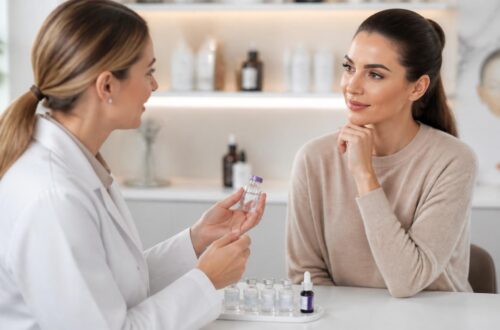
Hormone and peptide therapies appeal to this mindset because they can be tailored to individual biology, symptoms, and goals. Rather than offering a one-size-fits-all solution, these therapies often involve in-depth assessments, lab testing, and regular follow-up to fine-tune treatment.
Understanding Hormone Therapy
Hormone therapy is designed to help restore or support hormone levels when the body is no longer producing them in ideal amounts. In women, this conversation most commonly centers around estrogen, progesterone, and testosterone. These hormones play a major role in everything from reproductive health to bone strength, sleep quality, mood regulation, skin elasticity, and sexual wellness.
As women enter perimenopause and menopause, hormone levels can fluctuate dramatically. These shifts often lead to symptoms that affect daily life in very real ways. Hormone therapy may help reduce the intensity of these symptoms and improve overall well-being when prescribed appropriately and monitored carefully.
Common reasons women consider hormone therapy include:
- Hot flashes and night sweats
- Low energy and persistent fatigue
- Mood swings, irritability, or anxiety
- Brain fog and difficulty concentrating
- Low libido or sexual discomfort
- Sleep disturbances
- Weight gain or changes in body composition
- Declining bone health
For many women, the appeal of hormone therapy lies in its potential to help them feel more like themselves again. When properly evaluated by a qualified medical professional, hormone treatment can become part of a broader strategy to support aging, comfort, and vitality.
What Is Peptide Therapy?
Peptide therapy is a newer and rapidly growing area of wellness medicine. Peptides are short chains of amino acids that act as signaling molecules in the body. They help regulate a wide range of biological functions, including metabolism, tissue repair, inflammation response, cognitive performance, and hormone production.
In therapeutic use, peptides are often prescribed to support specific health outcomes. Depending on the peptide selected, treatment may be aimed at improving recovery, enhancing sleep, encouraging fat loss, preserving lean muscle, supporting skin health, or promoting better overall function as the body ages.
Women are increasingly drawn to peptide therapy because it fits into the broader trend of targeted, precision-based wellness. Instead of using a broad intervention, peptide therapy may focus on a very specific physiological need. This level of customization makes it especially attractive to women who want thoughtful, individualized care.
Potential reasons women explore peptide therapy include:
- Improving exercise recovery
- Supporting healthy body composition
- Boosting sleep quality
- Addressing signs of aging
- Promoting cognitive clarity
- Enhancing muscle maintenance
- Supporting cellular repair and resilience
While peptide therapy is generating excitement, it is also important to note that different peptides have different levels of research, regulation, and clinical support. This makes medical supervision especially important.
The Link Between Hormones, Aging, and Quality of Life
One major reason women are choosing hormone and peptide therapy is the growing recognition that quality of life matters. Women are not only living longer, they want to live better. They want to stay active, mentally sharp, emotionally balanced, and physically capable for decades to come.
Hormones influence nearly every system in the body. When they shift or decline, the effects can feel widespread and disruptive. At the same time, aging can affect muscle mass, insulin sensitivity, skin integrity, sleep, and recovery. Peptide therapy is often discussed in this context because of its potential to support some of these age-related changes.
Together, hormone and peptide therapy are often framed as tools for helping women maintain function and confidence during transitional periods. Rather than viewing midlife as a time of inevitable decline, many women now see it as a stage that deserves intentional care and evidence-based support.
Why Demand Is Growing Now
The interest in these therapies is rising for both cultural and medical reasons. There is a stronger public conversation around menopause, female longevity, and individualized medicine than ever before. Women are sharing their experiences more openly, and healthcare providers in certain specialties are responding with more nuanced treatment models.
Several trends are contributing to this increase in demand:
- Greater awareness of perimenopause and menopause: More women now recognize that symptoms can begin years before menopause officially occurs.
- Focus on prevention and optimization: Many women are seeking help before symptoms become overwhelming.
- Growth of wellness clinics and telehealth: Access to providers offering advanced hormone and peptide consultation has expanded.
- Interest in longevity medicine: Women are increasingly investing in therapies intended to support healthy aging and performance.
- Frustration with traditional care gaps: Some women feel their symptoms have not been taken seriously in conventional settings.
This combination of empowerment, education, and access has made hormone and peptide therapy more visible and more appealing to a wide age range of women.
Important Considerations Before Starting Treatment
Although the interest is understandable, hormone and peptide therapy are not casual wellness purchases. They are medical interventions and should be approached carefully. The best outcomes typically come from working with a qualified provider who takes a full health history, orders appropriate testing when needed, explains risks and benefits, and monitors progress over time.
What works for one woman may not be right for another. Age, medical history, symptoms, treatment goals, and current health conditions all matter. Women considering these therapies should ask thoughtful questions and avoid clinics or services that promise unrealistic results.
Before beginning treatment, women should discuss:
- Their full symptom history
- Any personal or family history of major illness
- Current medications and supplements
- Expected benefits and realistic timelines
- Possible side effects or risks
- How treatment will be monitored
- Whether therapy is evidence-based for their specific concerns
It is also important to understand that these therapies often work best when combined with foundational habits such as balanced nutrition, resistance training, stress management, good sleep hygiene, and routine medical care. They are not magic solutions, but they may be powerful tools within a larger health plan.
The Role of Empowerment in Women’s Health
At the heart of this trend is a deeper shift in how women view health and aging. More women are rejecting the idea that they must simply tolerate symptoms that interfere with relationships, work, confidence, and everyday functioning. They want answers, options, and a sense of partnership in their care.
Hormone and peptide therapy represent that change for many women. These treatments are part of a broader movement toward informed decision-making, individualized medicine, and long-term wellness planning. Whether the goal is to feel more energized, improve sexual health, sharpen mental focus, or support graceful aging, women are increasingly willing to explore advanced therapies that align with their personal goals.
This does not mean every woman needs hormone or peptide treatment. It means more women are asking better questions and expecting healthcare to address not only disease, but also vitality, comfort, and day-to-day performance.
Final Thoughts
The growing popularity of hormone