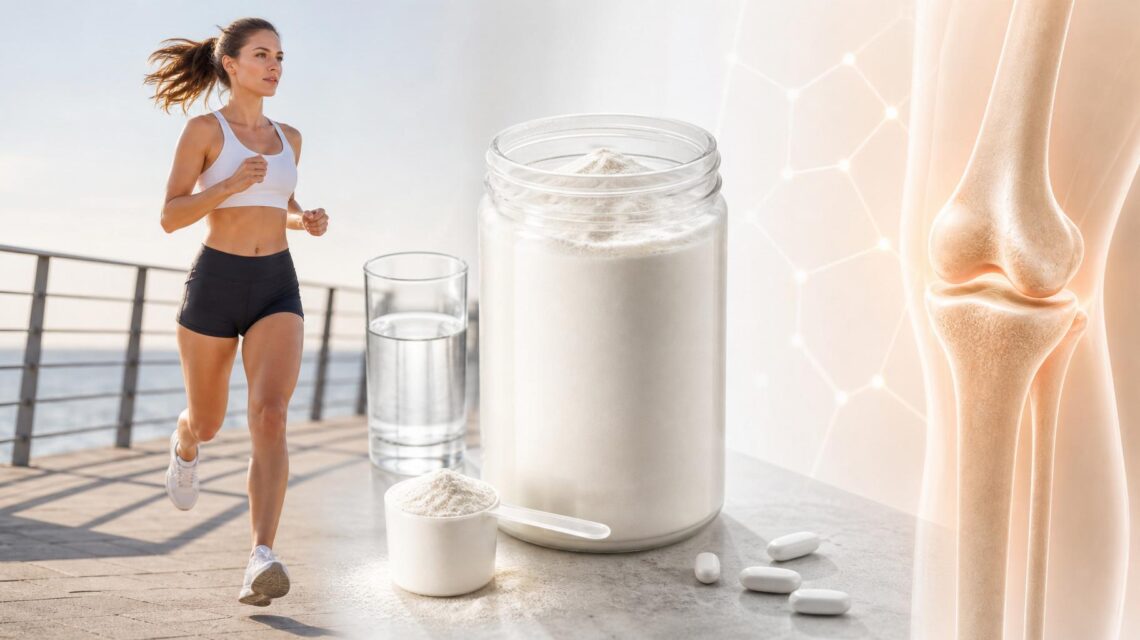
Female runners put their bones under constant stress, and while that stress can help strengthen the skeleton over time, it can also raise the risk of bone-related issues when recovery and nutrition fall short. New attention is being placed on collagen peptides as a possible tool to support bone health, especially in active women balancing training demands with long-term wellness.
For runners, strong bones are essential. Every stride places repeated force through the legs, hips, pelvis, and spine. When the body adapts well, bones can become more resilient. But when training volume, energy intake, hormone balance, and recovery are out of sync, the risk of bone stress injuries may increase. That is why the idea that collagen peptides may improve bone health in female runners is gaining interest among athletes, coaches, and sports nutrition experts.
Why Bone Health Matters So Much for Female Runners
Running is a high-impact sport, which means it places useful but repeated strain on the musculoskeletal system. Bones respond to this load by remodeling themselves. This process relies on a steady supply of nutrients, adequate rest, and healthy hormonal function. If one or more of these factors is lacking, the remodeling cycle may not keep pace with the stress of training.
Female runners can be especially vulnerable to low bone density and stress fractures for several reasons, including:
- High training volume without enough recovery
- Low energy availability from under-eating relative to exercise load
- Hormonal disruptions that can affect bone turnover
- Insufficient intake of key nutrients such as calcium, vitamin D, and protein
- A history of restrictive dieting or chronic overtraining
In endurance sports, bone health is often discussed alongside Relative Energy Deficiency in Sport, also known as RED-S. This condition can affect menstrual health, recovery, performance, and bone strength. Because of that, nutrition strategies that support connective tissue and bone integrity deserve serious attention.
What Are Collagen Peptides?
Collagen peptides are small, broken-down proteins derived from collagen, which is one of the most abundant structural proteins in the body. Collagen is a major component of bones, tendons, ligaments, cartilage, and skin. When collagen is hydrolyzed into peptides, it becomes easier to digest and absorb.
Unlike complete proteins such as whey, eggs, or soy, collagen is not rich in all essential amino acids. However, it contains notable amounts of glycine, proline, and hydroxyproline, amino acids that play a key role in connective tissue structure.
This makes collagen peptides especially interesting for athletes who want to support:
- Bone matrix formation
- Tendon and ligament health
- Joint comfort
- Recovery from repetitive impact
Since bone is made of both minerals and protein-based structure, researchers are now exploring whether targeted collagen supplementation can positively influence bone metabolism.
How Collagen Peptides May Support Bone Health
Bone is not just a hard mineral shell. It also contains a flexible protein framework, much of which is made up of collagen. This collagen matrix helps give bone its structure and resilience. Minerals such as calcium and phosphorus are then deposited into that framework.
If collagen intake can help improve the quality or turnover of this structural framework, it may offer benefits for bone strength over time. While collagen should not be viewed as a miracle supplement, it may help support the biological environment needed for healthy bone remodeling.
Potential ways collagen peptides may help include:
- Supporting bone matrix production through amino acid availability
- Influencing bone turnover markers linked to formation and breakdown
- Helping connective tissues that absorb and distribute mechanical force
- Complementing resistance and impact training that stimulates bone adaptation
For female runners, this matters because repetitive loading can be both beneficial and risky. Stronger connective tissue and a better-supported bone matrix could contribute to durability over a long season of training.
Why Female Runners Are a Unique Group
Not all athletes face the same bone health challenges. Female runners often train in environments where lower body weight is sometimes associated with speed or performance. That pressure can lead some athletes to under-fuel, even unintentionally. Over time, the body may reduce reproductive hormone production, which can negatively impact bone maintenance.
This is one reason why female runners have been a focus in studies on stress fractures, low bone mineral density, and energy deficiency. The combination of endurance training and insufficient nutritional support creates a high-risk situation.
Collagen peptides may be especially useful in this group not because they replace a complete nutrition plan, but because they may add targeted support to tissues under regular mechanical stress. When combined with a well-rounded diet and proper training structure, they could become one part of a broader bone-health strategy.
What the Research Suggests
Interest in collagen peptides has expanded beyond beauty and skin wellness into sports performance and musculoskeletal health. Research has already explored collagen supplementation in relation to tendons, ligaments, joint discomfort, and exercise recovery. Bone health is now becoming a growing area of interest as well.
In female runners, the discussion is especially meaningful because the sport creates a real-world combination of repetitive impact and elevated injury risk. Early findings suggest that collagen peptides may have a favorable effect on markers associated with bone metabolism, although more large-scale and longer-term studies are still needed.
That means the current evidence is promising but not final. It supports the idea that collagen peptides may be a useful addition to a training and recovery plan, but they should not be treated as a substitute for fundamentals like:
- Adequate calorie intake
- Balanced macronutrients
- Calcium-rich foods
- Vitamin D sufficiency
- Strength training
- Rest and recovery
Other Nutrients That Work Alongside Collagen
Collagen peptides do not work in isolation. Bone health depends on a network of nutrients and lifestyle factors. If a runner is considering collagen supplementation, it makes sense to support it with the rest of the nutritional foundation.
Protein
Total daily protein intake remains important for muscle recovery, tissue repair, and metabolic health. Since collagen is not a complete protein, it should be used alongside higher-quality protein sources such as dairy, fish, eggs, poultry, legumes, tofu, or soy-based foods.
Vitamin C
Vitamin C is involved in collagen synthesis, making it a useful partner nutrient. Many athletes choose to take collagen with a vitamin C source such as citrus fruit, kiwi, strawberries, or peppers.
Calcium and Vitamin D
These are essential for bone mineralization. Without enough calcium and vitamin D, the body may struggle to maintain strong bones no matter how much collagen is consumed.
Magnesium and Vitamin K
These nutrients also contribute to bone metabolism and overall skeletal function. A varied, nutrient-dense diet usually helps cover these needs.
Practical Tips for Female Runners Considering Collagen Peptides
If you are a runner thinking about adding collagen peptides to your routine, the best approach is to use them strategically rather than randomly. Timing, consistency, and the rest of your overall nutrition all matter.
- Choose a reputable product with clear ingredient labeling and third-party testing when possible
- Take it consistently since connective tissue support is more likely to depend on regular intake over time
- Pair it with vitamin C to support collagen-building processes
- Use it alongside meals and complete proteins rather than in place of them
- Support supplementation with strength training and proper recovery habits
Runners dealing with a history of stress fractures, irregular periods, low energy availability, or repeated overuse injuries should also consider speaking with a sports dietitian or physician. Supplementation works best when it targets a clearly understood need.
Collagen Peptides Are Not a Shortcut
It is easy to get excited about a supplement headline, but bone health is built through long-term habits. No powder or capsule can offset chronic under-fueling, poor recovery, or excessive training load. Collagen peptides may be helpful, but they are best viewed as a supportive addition, not a cure-all.
The most effective bone-health plan for
Affiliate disclosure: this post contains affiliate links, and we may earn a commission if you purchase through them, at no extra cost to you.