Peptides have become one of the most talked-about ingredients in modern skincare, and for good reason. These small but powerful compounds help support the skin in ways that can improve texture, firmness, hydration, and overall resilience. If you are looking for an ingredient that fits into anti-aging, barrier-repair, and glow-boosting routines, peptides deserve a closer look.
In skincare, peptides are often praised for their ability to work with the skin rather than against it. Instead of aggressively stripping or resurfacing, they help encourage the skin to function more effectively. This makes them appealing for a wide range of skin types, including mature, dry, sensitive, and combination skin.
Below, we explore what peptides are, the best peptides for skin, their benefits, and the top ways to use them in a skincare routine for healthier-looking skin.
What Are Peptides in Skincare?
Peptides are short chains of amino acids, which are the building blocks of proteins such as collagen, elastin, and keratin. These proteins are essential for maintaining firm, smooth, and strong skin. As the skin ages, natural collagen production declines, which can contribute to fine lines, wrinkles, sagging, and rough texture.
Topical peptides are used in skincare formulas because they can send signals that support the skin’s repair processes. Some peptides help encourage collagen production, while others strengthen the skin barrier, improve hydration, or even help relax the appearance of expression lines.
Because different peptides serve different functions, many advanced serums and creams combine multiple peptide types to target several skin concerns at once.
Why Peptides Are Good for Skin
The popularity of peptides comes from their versatility. Unlike some skincare ingredients that focus on one issue alone, peptides can support the skin in several meaningful ways.
- Support collagen production to improve skin firmness and elasticity
- Reduce the appearance of fine lines and wrinkles over time
- Strengthen the skin barrier for better moisture retention
- Improve hydration and help the skin look plumper
- Soothe stressed or compromised skin depending on the peptide blend
- Enhance skin texture and contribute to a smoother appearance
These benefits make peptides a practical addition to both preventative and corrective skincare routines.
Best Peptides for Skin and Their Benefits
Not all peptides are the same. Here are some of the most commonly used and effective peptide categories in skincare, along with what they do.
1. Signal Peptides
Signal peptides are among the best peptides for skin because they help stimulate the production of collagen, elastin, and other important proteins. These peptides essentially send messages to skin cells, encouraging repair and renewal.
They are often used in anti-aging serums and creams designed to improve firmness, reduce wrinkles, and enhance elasticity. If your goal is to address visible signs of aging, products containing signal peptides are usually a strong starting point.
2. Carrier Peptides
Carrier peptides help deliver trace minerals, such as copper, to the skin. These minerals are involved in wound healing, collagen support, and enzymatic processes that keep skin healthy.
One of the best-known examples is copper peptides. These are popular for helping improve the appearance of aging skin while also supporting repair. They are frequently found in serums aimed at boosting firmness, radiance, and overall skin resilience.
3. Enzyme-Inhibitor Peptides
Enzyme-inhibitor peptides help slow down the natural breakdown of collagen in the skin. Since collagen degradation is one of the main contributors to visible aging, this type of peptide can be useful in maintaining a firmer and smoother appearance.
These peptides are often included in formulas marketed for wrinkle prevention and long-term anti-aging support.
4. Neurotransmitter-Inhibiting Peptides
Neurotransmitter-inhibiting peptides are sometimes called expression-line peptides because they may help soften the look of dynamic wrinkles caused by repeated facial movements. While they do not work like cosmetic procedures, they can contribute to a smoother appearance when used consistently.
These peptides are common in products targeting forehead lines, crow’s feet, and smile lines.
5. Antimicrobial Peptides
Antimicrobial peptides can help support the skin’s defense system. They may be beneficial in routines aimed at keeping skin balanced and less reactive to external stressors. While they are not as widely discussed as collagen-supporting peptides, they play an important role in some skin-repair and barrier-focused formulations.
Top Benefits of Using Peptides for Skin
Improves Firmness and Elasticity
One of the top reasons people turn to peptides is their ability to support a firmer-looking complexion. As collagen and elastin levels decline with age, skin can begin to look thinner and less supple. Peptides help support the proteins responsible for a lifted, bouncy appearance.
Reduces the Look of Fine Lines
Peptides are especially popular in anti-aging skincare because they can visibly soften the appearance of fine lines and wrinkles over time. The key is consistency. With regular use, peptide products may help skin appear smoother and more refined.
Supports the Skin Barrier
A healthy skin barrier is essential for retaining moisture and defending against environmental irritants. Some peptides help strengthen this barrier, making them ideal for dry, sensitive, or over-exfoliated skin. When the barrier is supported, skin often looks calmer, healthier, and more hydrated.
Boosts Hydration
Peptide formulas are often combined with hydrating ingredients like hyaluronic acid, glycerin, and ceramides. This combination can help attract and seal in moisture, leaving the skin looking plump and fresh. Hydrated skin also tends to show fewer visible signs of fatigue and roughness.
Enhances Skin Texture and Radiance
By supporting skin repair and protein structure, peptides can gradually improve rough texture and dullness. Skin may appear smoother, brighter, and more even with continued use.
Top Uses of Peptides in a Skincare Routine
Peptide Serums
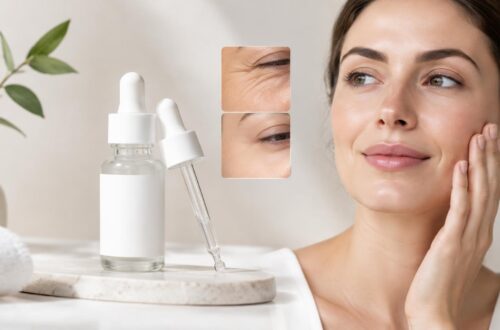
Serums are one of the most effective ways to use peptides because they are usually formulated with concentrated active ingredients. A peptide serum can be applied after cleansing and before moisturizer, allowing it to absorb well into the skin.
These are ideal for targeting:
- Fine lines and wrinkles
- Loss of firmness
- Dullness
- Dehydration
Peptide Moisturizers
Moisturizers containing peptides are excellent for daily use, especially for people who want both hydration and anti-aging support in one step. They help seal moisture into the skin while delivering ongoing barrier and firmness benefits.
Eye Creams with Peptides
The skin around the eyes is thinner and often shows signs of aging earlier than the rest of the face. Peptide-based eye creams can help reduce the appearance of crow’s feet, puffiness, and tired-looking skin. They are a popular choice for creating a smoother, more refreshed eye area.
Peptide Treatments for Neck and Decolletage
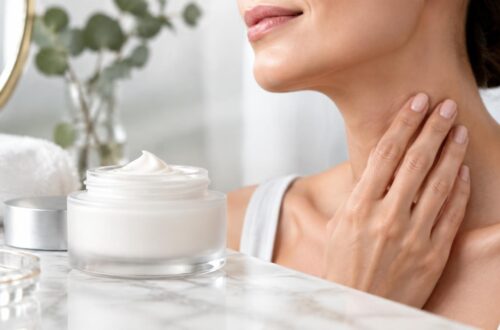
The neck and chest are often overlooked in skincare, yet they are just as prone to collagen loss and sun damage. Using peptide creams or serums on these areas can help improve skin texture and reduce the appearance of creasing over time.
Post-Procedure or Barrier-Repair Support
Because many peptide products are gentle and supportive, they are commonly used in skin-repair routines. After the skin has been stressed by dryness, overuse of actives, or environmental exposure, peptide-rich formulas may help restore comfort and balance.
How to Use Peptides for Best Results
To get the most from peptides, include them in a simple and consistent routine. Most peptide products can be used once or twice daily depending on the formula.