The legal status of peptides has become one of the most talked-about issues in health, wellness, and anti-aging circles. With renewed political attention and growing public demand, many people are asking a simple question: are peptides legal? The answer is not as straightforward as a yes or no. It depends on the type of peptide, how it is marketed, what it is used for, and how federal agencies choose to regulate it.
Recent discussion around RFK Jr.’s 2026 plan has added even more interest to the topic. Supporters see potential reform and wider access, while critics warn that peptide oversight could become more confusing before it becomes clearer. For consumers, clinics, researchers, and wellness brands, understanding the legal framework now is essential.
What Are Peptides and Why Are They So Popular?
Peptides are short chains of amino acids that act as building blocks for proteins. In the body, they play important roles in signaling, healing, metabolism, muscle growth, skin repair, and hormone regulation. Because of these functions, peptides have gained popularity in several industries, including:
- Medical treatment for specific conditions
- Sports recovery and performance support
- Anti-aging and longevity programs
- Weight management and metabolic health
- Cosmetic skincare and regenerative therapies
Some peptides are approved prescription drugs, while others are sold as research compounds or used in cosmetic products. This mixed market is one reason peptide regulation remains so complex. Consumers often assume that if a peptide is available online, it must be legal to buy and use. In reality, the legality can vary widely depending on the exact product and claims being made.
Are Peptides Legal in the United States?
In the United States, peptides exist in a legal gray area unless they fall into a clearly defined category. Broadly speaking, peptides may be:
- Legal by prescription if approved by the FDA for medical use
- Restricted to research use only if not approved for human consumption
- Illegal to market for treatment claims without proper regulatory approval
- Permitted in cosmetics when used in topical formulations within applicable rules
This means the question is not simply whether peptides are legal, but which peptides are legal, in what context, and for what purpose. For example, a peptide prescribed by a licensed medical provider may be lawful in one setting, while the same compound sold online as a supposed miracle treatment may trigger regulatory concerns.
Prescription Peptides
Some peptides are lawfully available through licensed healthcare providers. These are generally compounds that have gone through regulated channels or are compounded under certain rules. However, compounding has also faced increased scrutiny, especially when products are marketed aggressively without strong evidence or outside traditional pharmacy standards.
Research Peptides
Many peptides sold online are labeled for research use only. This label typically means the product is not approved for human consumption. Problems arise when these products are still promoted on websites, forums, or social media for muscle gain, fat loss, healing, or anti-aging benefits. That disconnect has drawn attention from regulators.
Cosmetic Peptides
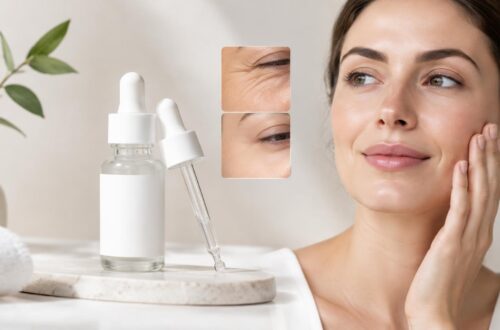
Peptides used in skincare are often treated differently from injectable or ingestible peptides. When included in beauty products, they may be legal if they comply with cosmetic regulations and are not marketed as drugs. The line is crossed when a cosmetic claim starts sounding like a medical promise.
Why RFK Jr.’s 2026 Plan Is Getting Attention
The discussion around RFK Jr.’s 2026 plan has fueled speculation that peptide regulation could be reshaped in a major way. Although exact policy details continue to evolve, the broader theme is easier to understand: a push for regulatory reform, expanded medical freedom, and closer review of how agencies oversee nontraditional therapies.
This matters because peptides sit at the intersection of medicine, longevity, wellness, and consumer health. They are neither fully mainstream nor fully fringe. That makes them especially vulnerable to shifting political strategies.
Supporters of reform argue that current peptide rules are inconsistent and often outdated. They believe patients should have more access to promising compounds under physician supervision. Critics, however, worry that reducing barriers too quickly could expose consumers to unsafe, low-quality, or misleading products.
Key Themes in RFK Jr.’s 2026 Peptide Approach
While public debate often simplifies policy into headlines, the peptide issue likely revolves around several deeper regulatory questions.
1. Expanding Access to Experimental and Alternative Therapies
One major theme is whether patients should have more freedom to pursue treatments outside the conventional pharmaceutical model. Peptides are often promoted as cutting-edge compounds that may support healing, energy, hormone balance, or healthy aging. A reform-focused plan could create pathways that make these therapies easier to access through licensed providers.
That said, any expansion would still need to address:
- Safety standards
- Manufacturing quality
- Truthful labeling
- Clinical oversight
2. Challenging Federal Agency Control
Another likely theme is a stronger challenge to how agencies such as the FDA have handled peptides, compounded therapies, and nontraditional wellness treatments. Critics of current policy argue that enforcement is too aggressive in some areas and too unclear in others. Businesses often struggle to understand what is permitted, especially when products fall between pharmaceutical, supplement, and research categories.
If RFK Jr.’s 2026 plan emphasizes deregulation or agency restructuring, peptide businesses may see new opportunities. But they may also face a transition period marked by uncertainty.
3. Encouraging Innovation in Health and Longevity
Peptides are frequently tied to the growing longevity movement. Clinics, health startups, and wellness entrepreneurs see them as part of a broader future that includes personalized medicine, regenerative therapies, and preventive care. A policy platform that supports innovation could encourage more investment and consumer interest in peptide-based options.
Still, innovation without boundaries could create legal and ethical concerns, especially if companies move faster than the science.
What This Could Mean for Consumers
For consumers, the biggest takeaway is that availability does not equal legality, and legality does not always equal safety. Even if a 2026 reform agenda makes peptides easier to access, buyers should remain cautious.
Consumers should pay close attention to:
- Whether the peptide is FDA-approved, compounded, or sold for research only
- The qualifications of the provider or seller
- Whether claims sound medically exaggerated
- Lab testing, sourcing, and product purity
- State and federal rules that may differ
The peptide market has long attracted both serious medical interest and questionable marketing practices. That is unlikely to change overnight, regardless of who is shaping policy.
What This Could Mean for Clinics and Wellness Brands
Clinics, telehealth operators, compounding pharmacies, and wellness brands should also watch these developments carefully. A more permissive 2026 environment could create growth opportunities, but only for businesses that build trust and stay compliant.
Brands in the peptide space should focus on:
- Clear and accurate product descriptions
- Avoiding unsupported disease-treatment claims
- Strong documentation and quality assurance
- Legal review of marketing language
- Education-driven SEO content that answers user questions honestly
Search interest around terms like are peptides legal, RFK Jr. peptide plan, and peptide regulation 2026 is likely to grow. Businesses that provide factual, transparent content will be better positioned than those that rely on hype.
The Biggest Legal Risks Around Peptides
Even with possible reform on the horizon, several legal risks remain central to the peptide market.
Misbranding and False Claims
A peptide product can draw enforcement if it is marketed with claims that suggest it treats, cures, or prevents disease without proper approval. This applies to websites, ads, labels, email campaigns, and influencer promotions.