Peptides have rapidly become one of the most talked-about ingredients in the beauty and hair care world. From dermatology clinics to social media feeds, claims that peptides can stimulate hair growth, strengthen strands, and improve scalp health are everywhere. But do these powerful microscopic molecules live up to the hype?
As interest grows in science-backed solutions for hair thinning and shedding, peptides are emerging as a promising alternative to traditional treatments. Below, we explore what peptides are, how they may support hair growth, and whether they deserve a place in your haircare routine.
What Are Peptides?
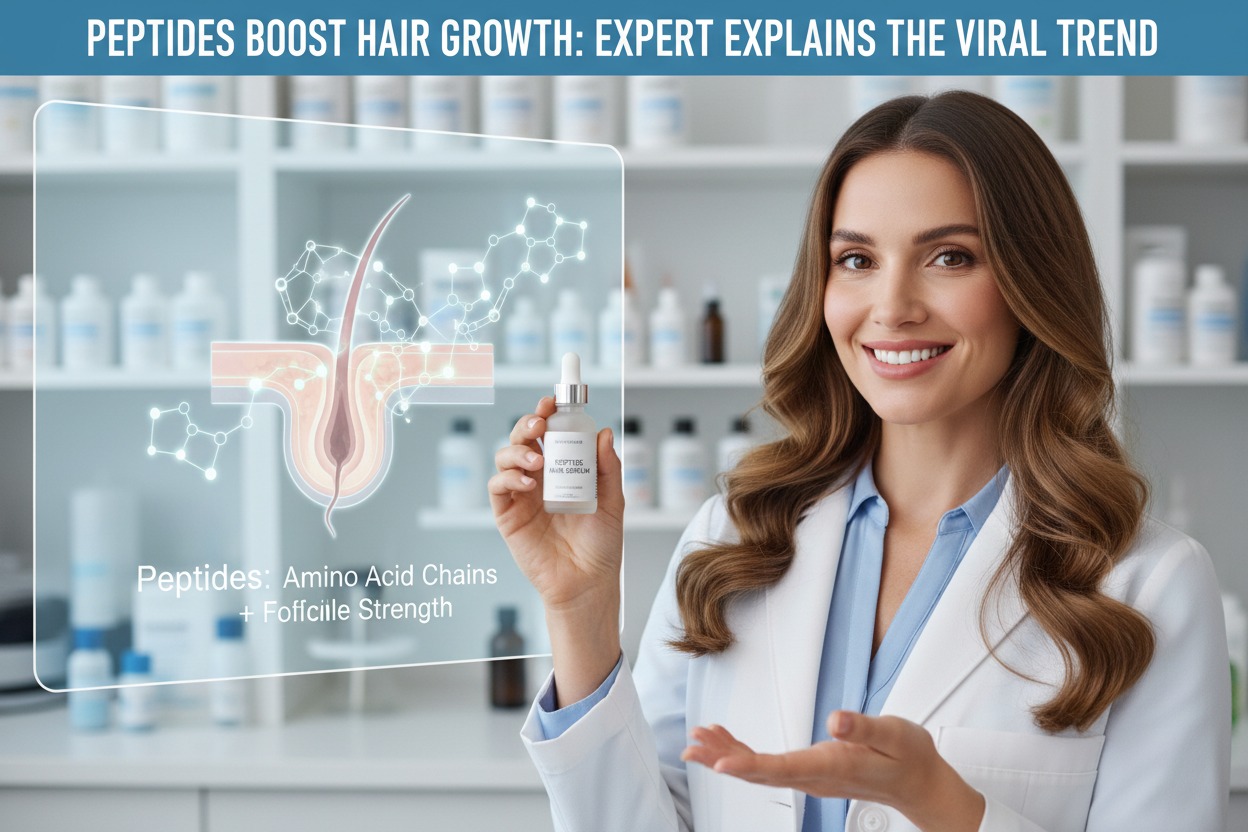
Peptides are short chains of amino acids, which are the building blocks of proteins. In the human body, proteins such as keratin, collagen, and elastin are essential for maintaining strong hair, healthy skin, and resilient connective tissue.
When applied topically or delivered through advanced treatments, peptides act as signaling molecules. In simple terms, they “communicate” with cells, encouraging them to perform specific functions — including repairing damage, producing more collagen, or stimulating hair follicles.
Because hair is primarily made of keratin (a type of protein), peptides may help reinforce the structure of hair strands and support optimal follicle function.
How Peptides May Support Hair Growth
The excitement around peptides stems from their multi-level approach to hair health. Rather than simply coating the hair shaft like many cosmetic products, peptides may work at the scalp level, where hair growth begins.
1. Stimulating Hair Follicles
Some peptides are believed to signal dormant or weakened hair follicles to re-enter the active growth (anagen) phase. By encouraging follicles to remain in the growth phase longer, peptides may:
- Increase hair density
- Reduce premature shedding
- Support thicker-feeling strands
While results vary depending on the individual, this regenerative signaling is one reason peptides are gaining popularity in hair serums and clinical treatments.
2. Improving Scalp Circulation
A healthy scalp environment is essential for hair growth. Certain peptide formulations may help improve microcirculation around hair follicles, ensuring they receive adequate oxygen and nutrients.
Better circulation can translate to:
- Stronger follicle anchoring
- Improved nutrient delivery
- A healthier growth cycle overall
3. Reducing Inflammation
Inflammation is an often-overlooked contributor to hair thinning. Scalp irritation, stress, and environmental damage can disrupt the hair growth cycle.
Some peptides have anti-inflammatory properties, which may help calm the scalp and create a more supportive environment for hair regrowth. This is particularly relevant for individuals experiencing stress-related shedding or sensitivity.
4. Strengthening Hair Structure
Beyond the follicle itself, peptides may also reinforce the hair shaft. By supporting keratin production and protein repair, they can help:
- Reduce breakage
- Improve elasticity
- Enhance shine and smoothness
This structural reinforcement can give the appearance of fuller, healthier hair over time.
Peptides vs. Traditional Hair Loss Treatments
When discussing hair growth solutions, comparisons to established treatments like minoxidil are inevitable.
Traditional treatments often work by increasing blood flow or altering hormonal pathways. While effective for many, they may come with side effects or require ongoing use to maintain results.
Peptides offer a more targeted, supportive approach. Instead of overriding biological pathways, they aim to enhance the body’s natural regenerative signals.
That said, peptides are not necessarily a replacement for medically approved treatments. For individuals with significant hair loss or conditions such as androgenetic alopecia, a combined strategy under professional guidance may be most effective.
Popular Types of Peptides in Hair Care
Not all peptides are created equal. Several types are commonly used in hair growth formulations:
- Copper peptides: Known for their wound-healing and regenerative properties, these are often associated with follicle stimulation and reduced inflammation.
- Biotinyl tripeptide-1: Frequently included in strengthening serums aimed at reinforcing hair anchoring.
- Acetyl tetrapeptide-3: Used in formulations that target hair density and scalp conditioning.
- Keratin peptides: Designed to repair and protect damaged hair strands.
Each peptide works differently, and formulations often combine multiple peptides for synergistic benefits.
Do Peptide Hair Products Actually Work?
The effectiveness of peptide-based products depends on several factors, including formulation quality, concentration, delivery system, and consistency of use.
Topical serums are the most common format and can be effective when used daily over several months. However, because peptides are delicate molecules, stability and absorption are crucial. Products that use advanced delivery systems — such as liposomal encapsulation — may offer better penetration into the scalp.
Clinical in-office treatments, such as microneedling combined with peptide serums, may enhance absorption and amplify results.
It’s important to note that hair growth is a gradual process. Visible improvements typically take at least 8 to 12 weeks, with more substantial changes often appearing after three to six months.
Who Can Benefit Most from Peptides?
Peptide-based hair treatments may be particularly beneficial for:
- Individuals with early-stage thinning
- Postpartum shedding
- Stress-related hair loss
- Age-related density loss
- Hair weakened by chemical or heat damage
Those with advanced or genetic pattern baldness may still benefit, but expectations should be realistic. Peptides are more likely to support existing follicles than revive completely dormant ones.
Are There Any Side Effects?
One of the reasons peptides are gaining attention is their relatively favorable safety profile.
Most topical peptide products are well tolerated, especially compared to more aggressive pharmaceutical treatments. Mild irritation is possible, particularly for individuals with sensitive skin, so patch testing is recommended before full application.
As with any hair growth strategy, consulting a dermatologist or trichologist is advisable if you are experiencing significant or sudden hair loss.
How to Incorporate Peptides Into Your Routine
If you are considering adding peptides to your hair care regimen, consistency is key. Here is a simple approach:
Step 1: Start With the Scalp
Apply a peptide serum directly to a clean scalp, focusing on thinning areas.
Step 2: Massage Gently
Scalp massage can support blood circulation and enhance product distribution.
Step 3: Be Patient
Use daily or as directed for at least three months before assessing results.
Step 4: Support Internally
Optimize overall health with a balanced diet rich in protein, iron, zinc, and essential vitamins.
The Future of Peptides in Hair Care
The growing interest in regenerative aesthetics suggests peptides are far more than a passing trend. As research continues, more sophisticated peptide complexes are being developed to target specific hair growth pathways.
Advances in biotechnology may soon allow for highly personalized peptide blends tailored to an individual’s scalp condition and genetic predisposition.
While more large-scale clinical trials are needed to fully confirm long-term efficacy, the current evidence and expert insights suggest peptides hold genuine promise.
Final Thoughts
The viral buzz around peptides for hair growth is grounded in emerging science rather than pure hype. By acting as biological messengers, peptides may stimulate follicles, strengthen strands, improve scalp health, and extend the growth phase of hair.
However, they are not an overnight miracle cure. Sustainable results require consistent application, realistic expectations, and, when necessary, professional guidance.
For those seeking a modern, science-forward approach to hair thinning, peptide-infused treatments offer an exciting and potentially transformative option. And as innovation continues in the world of regenerative beauty, peptides may well become a cornerstone of the next generation of hair restoration solutions.