The Rise of BPC-157 in Modern Wellness Culture
BPC-157, short for Body Protection Compound-157, has quietly moved from the margins of laboratory research into the spotlight of modern health culture. Once known primarily among researchers studying gastrointestinal healing and tissue repair, this synthetic peptide is now widely discussed in biohacking forums, athletic recovery circles, and within movements focused on reshaping public health narratives.
Recently, BPC-157 has gained renewed attention due to its association with the broader ‘Make America Healthy Again’ (MAHA) conversation, where interest in alternative therapies, regenerative medicine, and self-directed health strategies has surged. But behind the viral posts and bold claims lies a complex and often misunderstood history.
What Exactly Is BPC-157?
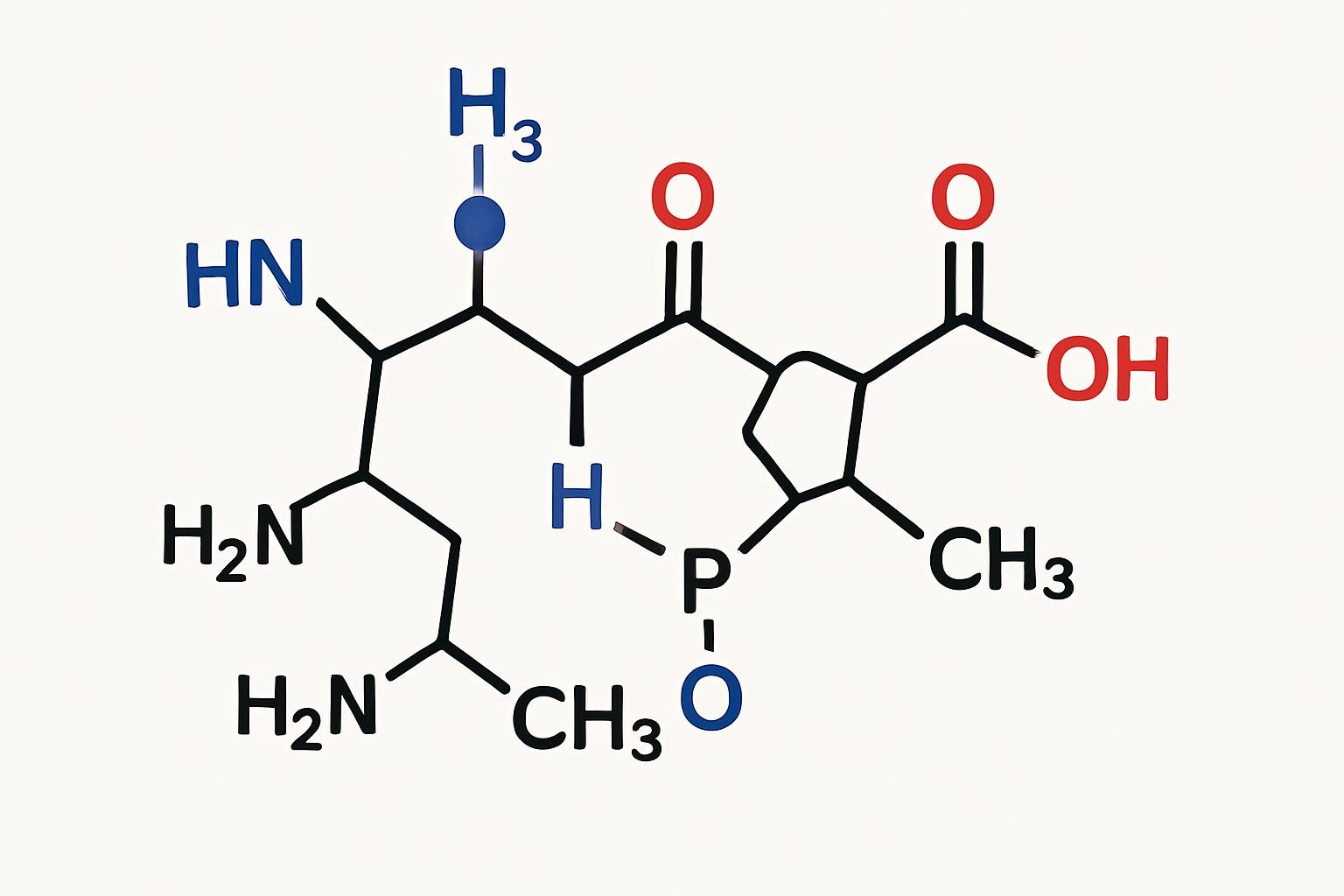
BPC-157 is a synthetic peptide consisting of 15 amino acids. It is derived from a naturally occurring protein found in human gastric juice. In experimental settings, it has been studied for its potential effects on:
- Soft tissue repair
- Angiogenesis, or the formation of new blood vessels
- Inflammatory response modulation
- Gut lining protection
- Neurological recovery in animal models
It is important to clarify that BPC-157 is not approved by the FDA for medical use in humans. Most available research has been conducted in animal models or laboratory settings. Despite that, online interest has grown dramatically, fueled by anecdotal accounts and the expanding peer-to-peer health economy.
BPC-157’s Early Research Roots
The story of BPC-157 begins in Europe during the 1990s, where researchers investigated compounds that could protect and repair the digestive tract. Early animal studies suggested the peptide had stability in gastric acid and could promote healing in damaged intestinal tissues.
The compound appeared remarkably resilient. Unlike many peptides that degrade rapidly in the gastrointestinal tract, BPC-157 showed resistance to breakdown, making it an intriguing candidate for oral delivery in experimental contexts.
Laboratory findings suggested potential benefits such as:
- Accelerated tendon-to-bone healing in rodent models
- Enhanced recovery from muscle injuries in animals
- Protection against certain experimentally induced ulcers
- Support for nerve regeneration following injury in preclinical studies
These findings generated scientific interest but did not translate into large-scale human clinical trials. As a result, BPC-157 remained largely within experimental and research supply markets.
The Biohacking Boom and Underground Popularity
The mid-2010s marked a significant shift. The rise of biohacking communities, performance optimization podcasts, and online supplement retailers brought increased visibility to peptides that were once confined to lab settings.
BPC-157 quickly became a talking point among:
- Fitness influencers focused on injury recovery
- Mixed martial artists and strength athletes
- Longevity enthusiasts exploring regenerative compounds
- Self-experimenters disillusioned with conventional care timelines
Much of BPC-157’s growth occurred through anecdotal evidence rather than peer-reviewed human trials. Forums filled with personal accounts claiming faster recovery times, reduced inflammation, and improved joint comfort. While these stories fueled demand, they also blurred the line between experimental science and consumer use.
Enter MAHA: The Cultural Shift Toward Alternative Health
The broader ‘Make America Healthy Again’ movement, loosely defined by its emphasis on preventative care, skepticism of pharmaceutical dominance, and openness to alternative therapies, further amplified interest in compounds like BPC-157.
Within these circles, BPC-157 is sometimes framed as:
- A symbol of regenerative medicine’s potential
- An example of overlooked or underfunded research
- A challenge to traditional drug development pipelines
Supporters argue that peptides represent a frontier of precision healing, while critics caution that excitement has outpaced evidence. The debate reflects larger tensions in healthcare: autonomy versus regulation, innovation versus safety, and anecdote versus empirical validation.
How BPC-157 Is Typically Used Today
Although not legally sold as an approved medication, BPC-157 is commonly marketed for research purposes. In practice, individuals who obtain it outside clinical trials have experimented with various methods of administration, including oral and subcutaneous forms.
Users often claim it is used for:
- Joint and tendon support
- Post-surgical recovery assistance
- Muscle strain rehabilitation
- Digestive discomfort management
However, it bears repeating that robust human clinical data confirming safety, dosing standards, and long-term effects is lacking. Regulatory agencies have not endorsed its use for these purposes.
Scientific Promise Versus Regulatory Reality
The intrigue surrounding BPC-157 highlights a larger issue within biomedical innovation: promising preclinical data does not always translate into approved therapies.
Several key factors explain why:
1. Limited Human Trials
Without randomized, double-blind, placebo-controlled studies in humans, it is difficult to assess real-world efficacy or risk.
2. Regulatory Hurdles
Bringing a compound from lab discovery to FDA approval requires substantial funding and extensive safety documentation. Many peptides stall before reaching advanced clinical phases.
3. Safety Uncertainty
While animal studies have not shown dramatic toxicity signals at certain doses, human physiology can respond differently. Long-term systemic effects remain unclear.
This gap between early research promise and regulatory endorsement has created a vacuum—one that online communities have eagerly filled.
The Appeal of Peptides in Regenerative Medicine
Part of BPC-157’s appeal stems from the broader excitement surrounding peptide-based therapies. Peptides operate as signaling molecules in the body, potentially offering highly targeted biological effects.
In theory, peptides like BPC-157 could:
- Encourage tissue regeneration without broad systemic impact
- Work synergistically with the body’s natural repair mechanisms
- Provide alternatives to invasive procedures in certain contexts
This targeted potential feeds into the ethos of precision health and longevity optimization, movements that prioritize proactive intervention over reactive treatment.
Risks, Controversies, and Ethical Questions
With popularity comes controversy. Critics raise several concerns:
- Lack of dosage consistency across sources
- Potential contamination in unregulated markets
- Absence of standardized medical oversight
- Ethical implications in professional sports
The World Anti-Doping Agency (WADA) has listed BPC-157 as a prohibited substance in competitive athletics, reflecting concerns about performance enhancement and fairness.
Moreover, the broader cultural messaging around peptides can sometimes oversimplify complex biological processes. Healing is multifactorial, involving genetics, lifestyle, environment, and medical care. Framing any single compound as a cure-all risks distorting scientific nuance.
The Future of BPC-157 Research
The path forward for BPC-157 likely depends on whether rigorous human clinical trials emerge. Interest from both private research entities and academic institutions could determine whether the peptide transitions from experimental curiosity to validated therapeutic tool.
Future areas of investigation may include:
- Structured human safety studies
- Defined dosing and delivery methods
- Long-term tissue regeneration outcomes
- Clear contraindications and risk profiles
If such data materializes, public discourse could shift from speculative enthusiasm to evidence-based evaluation.
Final Thoughts: Hype or Hidden Potential?
BPC-157 occupies a fascinating space at the intersection of science, culture, and healthcare reform. Its journey from gastric peptide research to MAHA-fueled popularity illustrates how quickly scientific fragments can evolve into social phenomena.
On one side are individuals frustrated with slow recovery timelines and conventional treatment limits. On the other are scientists urging patience, rigor, and careful evaluation.
The truth likely lies somewhere in between.
BPC-157 is neither definitively a miracle compound nor merely internet hype. It is an experimental peptide with compelling preclinical signals and significant gaps in human evidence. Understanding that distinction is essential for anyone navigating today’s rapidly evolving health landscape.
As regenerative medicine advances and public demand for alternative healing tools grows, compounds like BPC-157 will continue to spark debate. Whether it ultimately earns a sanctioned role in mainstream medicine or remains a symbol of underground innovation depends on what the next decade of research reveals.
Until then, informed skepticism and scientific literacy remain the most powerful tools consumers can carry.