Finding a hair serum that actually supports fuller, healthier-looking strands can feel overwhelming. With so many formulas promising dramatic results, it helps to understand what separates a high-quality product from clever marketing. The best hair growth serums are typically designed to support the scalp, strengthen existing hair, reduce breakage, and create the ideal environment for thicker-looking growth over time.
While no topical product can transform hair overnight, the right serum can become a valuable part of a consistent haircare routine. Ingredients, scalp compatibility, ease of use, and long-term results all matter. Below, we break down what makes the best hair growth serums worth considering, what ingredients to look for, and how to choose the best option for your hair goals.
What Makes a Hair Growth Serum Effective?
A good hair growth serum does more than simply coat the hair shaft. The most effective formulas target the scalp, where healthy hair begins. They often contain ingredients that help hydrate the scalp, reduce inflammation, support circulation, and strengthen the roots to minimize shedding and breakage.
Most people looking for thicker hair are dealing with one or more of the following concerns:
- Excess shedding
- Thinning around the crown or hairline
- Weak, fragile strands
- Breakage from heat styling or coloring
- Dry, irritated, or unhealthy scalp conditions
The best formulas usually focus on scalp wellness first, because a balanced scalp creates better conditions for stronger hair. This is especially important for anyone experiencing stress-related shedding, seasonal thinning, or damage from styling.
Key Ingredients to Look for in Hair Growth Serums
When comparing hair serums, ingredient lists matter more than packaging claims. Certain ingredients are commonly associated with stronger, fuller, healthier-looking hair.
1. Peptides
Peptides are widely used in advanced hair serums because they can help support the scalp and improve the appearance of denser hair. Many users favor peptide-rich formulas for their lightweight feel and long-term strengthening benefits.
2. Biotin
Biotin is a popular ingredient in haircare, often included to help reinforce weak strands. While it is commonly associated with hair health supplements, topical serums can also include biotin as part of a strengthening blend.
3. Caffeine
Caffeine is often added to scalp products because it may help energize the scalp environment. It is especially common in serums designed for thinning hair and can pair well with botanical extracts.
4. Niacinamide
Niacinamide is known for supporting skin barrier health, and since the scalp is an extension of the skin, this ingredient can be useful in soothing irritation while promoting a healthier scalp surface.
5. Botanical Extracts
Rosemary, saw palmetto, ginseng, and other plant-based extracts appear in many hair density serums. These ingredients are often included to help support scalp balance and encourage a fuller appearance over time.
6. Hydrating Ingredients
Hyaluronic acid, aloe vera, and glycerin can help maintain moisture levels in the scalp. A dry scalp can lead to discomfort and poor hair conditions, so hydration is an important element in any serum formula.
8 Best Hair Growth Serums Tested For Thicker Hair
If you are searching for the best options, these are the features and formula types often found among top-rated and tested hair growth serums. While individual preferences vary, the strongest contenders generally fall into these categories.
1. Scalp-Targeting Peptide Serums
Peptide-based serums are often viewed as some of the most promising options for thinning hair. They tend to be lightweight, easy to apply, and suitable for daily use. These formulas are ideal for people who want a modern, science-led approach to improving thickness.
Best for: Early thinning, weakened roots, and long-term scalp support.
2. Botanical Hair Density Serums
Botanical serums appeal to users who prefer plant-forward ingredients. Products with rosemary, peppermint, or ginseng often feel refreshing on the scalp and may help support healthier-looking roots with regular use.
Best for: Natural beauty routines and mild thinning concerns.
3. Overnight Scalp Renewal Serums
Some of the best hair growth serums are designed to work overnight, allowing ingredients to absorb without interference from styling products. These formulas are especially convenient for those who do not want residue during the day.
Best for: Busy routines and consistent nighttime treatment.
4. Lightweight Daily Leave-In Serums
Daily leave-in serums are designed for frequent application without leaving hair greasy. These products often work well for fine or oily hair types because they absorb quickly and do not weigh the roots down.
Best for: Fine hair, oily scalps, and everyday maintenance.
5. Serums for Breakage and Damage
Not all thinning is caused by scalp issues alone. Some hair appears thinner due to breakage from heat tools, color treatments, or tight hairstyles. Serums that focus on strengthening the hair fiber can help preserve length and make hair look fuller over time.
Best for: Bleached, overprocessed, or fragile hair.
6. Sensitive Scalp Growth Serums
If your scalp is easily irritated, serum selection becomes even more important. Fragrance-free or dermatologist-considered formulas with soothing ingredients can help reduce discomfort while still supporting healthier growth conditions.
Best for: Dry, itchy, or reactive scalps.
7. Multi-Tasking Root and Scalp Treatments
Some serums combine growth support with oil control, hydration, and flake reduction. These all-in-one products are a strong choice for anyone wanting a more comprehensive scalp treatment rather than a single-purpose formula.
Best for: Scalp imbalance, flakes, and inconsistent hair health.
8. Intensive Thickening Serums
Intensive serums are often chosen by those experiencing more noticeable thinning. These products typically feature concentrated actives and require disciplined use over several weeks or months to judge visible results.
Best for: Visible thinning and targeted treatment plans.
How to Choose the Right Hair Growth Serum for Your Hair Type
Not every serum works for every person. Hair texture, scalp condition, and styling habits all affect which formula will deliver the best experience.
For Fine Hair
Look for a lightweight, non-greasy serum that will not flatten the roots. Water-based formulas are often best for fine strands.
For Thick or Coarse Hair
Choose a serum with both scalp-supporting and moisturizing ingredients. Thicker hair can tolerate richer textures if the serum is applied directly to the scalp.
For Curly or Coily Hair
Hydration is key. A serum that supports scalp health while helping reduce dryness can fit well into curly and coily routines, especially when protective styles are involved.
For Color-Treated Hair
Focus on products that support strength and minimize breakage. Hair that is chemically treated often needs both scalp care and strand reinforcement.
How to Use a Hair Growth Serum for Better Results
Even the best serum will struggle to perform if it is not used consistently. Most hair growth products require patience. Hair grows slowly, and noticeable improvements often take several weeks or even months.
To get the most from your serum:
- Apply directly to a clean or dry scalp as instructed
- Use the recommended amount rather than overapplying
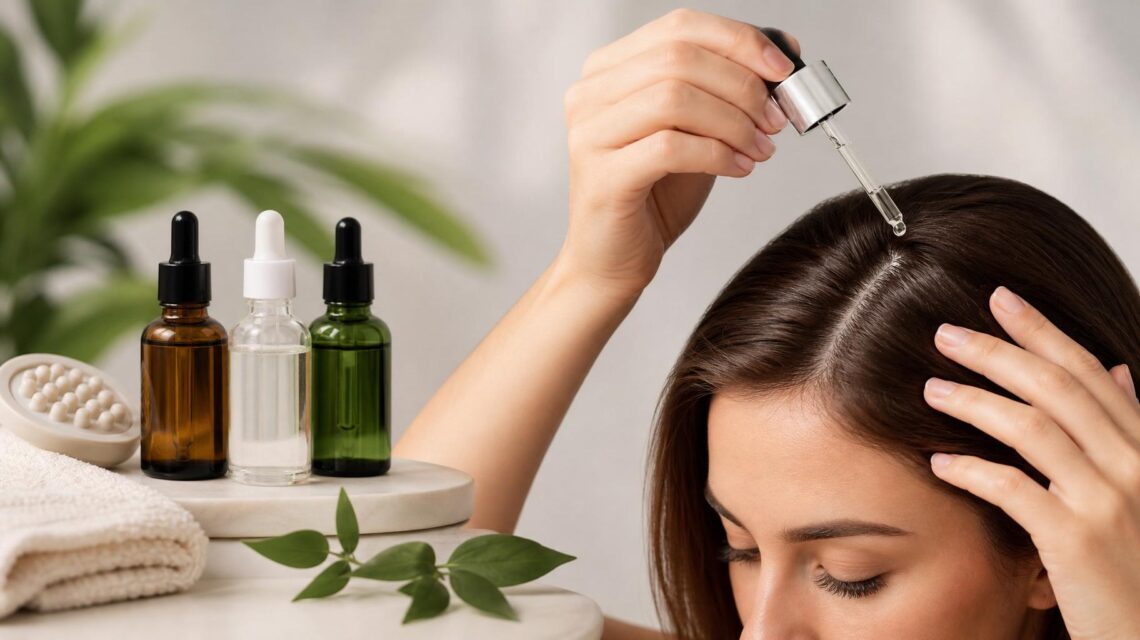
- Massage the serum in gently to distribute it evenly
- Stay consistent with daily or scheduled use
- Track progress with photos every few weeks
It is also smart to reduce habits that contribute to hair stress, including excessive heat styling, tight hairstyles, harsh brushing, and skipping scalp care altogether.
Common Mistakes to Avoid
Many people give up on hair growth serums too quickly or use them incorrectly. Avoid these common issues if you want the best chance of seeing improvement:
- Expecting instant results: Hair growth takes time, and most serums need regular use.
- Using too much product: More is not always better and can leave buildup